Case study, UAE vape market
Why a mango-ice pod outsold every tobacco blend on the shelf
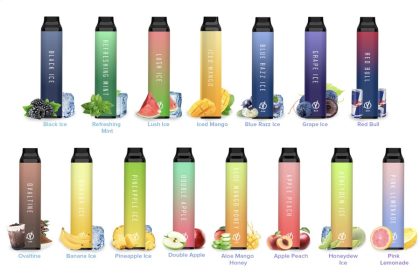
A Dubai retailer we spoke to launched twelve new SKUs in one quarter: four tobacco leaf blends, four dessert cremes, and four fruit-and-menthol hybrids. Within eight weeks the fruit-menthol line was doing more units per day than the other eight products combined. The buyer had not changed the price, the packaging, or the marketing budget. What changed was the flavour, and the psychology sitting underneath the customer’s choice.
The transformation, before and after a flavour rethink
Shelf led by tobacco leaf and classic menthol. Flat weekly sell-through, mostly older repeat customers, low walk-in interest from first-time buyers browsing online for cheap disposable vapes online.
Shelf rebuilt around fruit-ice hybrids, a dessert row, and one seasonal karak-inspired limited edition. New-customer share doubled, average basket size grew, and reviews shifted from “strong hit” to “tastes like…” comparisons, a sign that emotion, not nicotine, was doing the selling.
Psychology of taste
Why flavour is the real product
Taste is not a neutral sense. It is stitched to memory, mood, and reward in ways researchers have documented for decades. A large body of sensory-science work shows that flavour perception is a blend of smell, taste, temperature, and expectation, all processed alongside emotional memory in the brain. That is why a single puff of grape-ice can trigger a specific summer afternoon from years ago, while an unfamiliar aniseed blend can feel oddly hostile within two seconds.
Four psychological drivers do most of the heavy lifting in the vape category:
- Familiarity. Buyers reach for tastes they already recognise, mango, mint, cola, because the brain treats known flavours as safer bets.
- Nostalgia. Karak, rose, kunafa, and bubblegum tap into childhood or cultural memory, which is a stronger loyalty hook than novelty.
- Reward. Sweet and cooling notes trigger the dopamine loops that food scientists study in confectionery and soft drinks.
- Sensory contrast. The tingle of menthol against ripe fruit is a two-note experience, and two-note products almost always outsell single-note ones.
The five flavour families and what they signal
- Fruit. The dominant category in the GCC. Mango, watermelon, lychee, grape, and mixed-berry blends carry a “refreshing” halo that fits a hot climate and a young buyer base. Berry blends in particular have grown quickly with the rise of ice hybrids.
- Mint and menthol. A steady seller year round, boosted in summer. Cooling notes are read by the brain as cleansing, which is why menthol keeps showing up as a modifier inside other categories rather than standing alone.
- Dessert. Vanilla custard, kunafa, biscuit, caramel. These are indulgence flavours, chosen more often in the evening and by buyers who describe their vape as a “treat” rather than a habit.
- Beverage-inspired. Cola, energy drink, iced coffee, karak chai. Beverage flavours borrow trust from products the buyer already drinks daily, which shortens the decision.
- Tobacco-inspired. A loyal, narrower audience, mostly ex-smokers who switched across. Sales are stable but rarely explosive, and the buyer profile skews older.
What we tried
Six experiments to move the needle
Before landing on the winning mix, the retailer ran a set of small, cheap tests. Not every one worked. The ones that failed were as instructive as the ones that stuck.
- Adding a “pure” single-fruit line with no menthol. Flat sales, most tasters called it “boring” after three puffs.
- Launching a bold liquorice-anise blend inspired by regional sweets. High curiosity, low repurchase.
- Reissuing a discontinued grape-ice from a rival brand under a new name. Sold out in nine days, pure familiarity effect.
- Running a two-week karak chai limited edition in Ramadan. Strong engagement, especially on social.
- Splitting the dessert row into “light” (vanilla, biscuit) and “heavy” (kunafa, caramel custard). Doubled category revenue.
- Testing three cooling intensities on the same mango base. The medium-ice version won on repurchase, not the strongest one.
What worked
Three patterns that decided the winners
- Two-note beats one-note. Every top seller combined a known fruit with a cooling or dessert modifier. Single-flavour products stalled.
- Local memory sells fast, then plateaus. Karak, rose, and kunafa blends spiked hard, then settled at a modest steady baseline. Perfect for limited editions, risky as a core line.
- Cooling intensity is a Goldilocks number. Too weak and the flavour reads as heavy. Too strong and it overrides the fruit. The middle setting won every blind test.
The bigger lesson: buyers were not choosing on nicotine strength or price alone. They were choosing on the story the flavour told them, and how quickly they could recognise it. That is why walk-in shoppers looking for flavored vapes in Dubai keep gravitating to names they can picture in their head before they open the pack.
Market forces
How trends actually spread
Flavour trends do not appear from nowhere. Four levers push a blend from niche to best seller: social influence, regional taste, seasonal demand, and marketing timing. In the UAE, short-form video from Riyadh, Dubai, and London-based creators moves faster than any print or in-store campaign, and a flavour that trends on video will typically show up in reorder data within two weeks.
Seasonality also matters more than most brands admit. Cooling fruit blends peak from May to September. Warm dessert and spiced-tea flavours climb in the cooler months and around Ramadan, when evening consumption patterns shift. Marketing calendars that ignore this rhythm leave money on the shelf.
Product innovation: limited editions and hybrids
Limited editions
Scarcity does the marketing for you. A 30-day karak or rose-lychee run creates urgency without discounting, and the data it generates tells you what to add to the core line next.
Hybrid blends
The fastest-growing sub-category. Fruit + ice, dessert + fruit, beverage + menthol. Hybrids give the buyer two familiar cues in one pack, which lowers the perceived risk of a new SKU.
Feedback loops
Reviews, in-store tastings, and social replies are cheaper than any focus group. Brands that read them weekly ship better flavours than brands that survey twice a year.
“We stopped asking customers what flavour they wanted. We started watching what they finished, what they left half full, and what they bought a second time. The shelf writes itself after that.”
Research corner
What the studies actually say
Consumer-preference surveys across adult vape users in the US and UK consistently show fruit as the leading category, followed by mint and dessert, with tobacco flavours far behind. Independent reviews from bodies such as the World Health Organization discuss the role flavours play in product appeal, and food-psychology research on sensory analysis explains why flavour, aroma, and mouthfeel together drive repurchase far more than any single attribute.
Behavioural science adds one more layer: the “peak-end” rule. Buyers remember the strongest note in a puff and the aftertaste, and judge the whole product on those two moments. Get the peak and the end right, and the middle is forgiven. That is the quiet secret behind almost every best seller on a UAE shelf.
The takeaway from the case above is not that fruit-ice will always win. It is that flavour choice is a psychological transaction. A buyer picks a pod in about six seconds, and in those six seconds they are running a familiarity check, a memory check, and a reward check, all before they ever read the nicotine strength on the box.
Brands that understand this ship fewer SKUs, kill weak lines faster, and treat their flavour catalogue like a rotating menu instead of a fixed catalogue. That is how a mango-ice pod outsells a whole tobacco range, and why the psychology of taste, not the price tag, is the most valuable thing a retailer can study this year.
Frequently asked questions
Why do fruit flavours dominate vape sales in the UAE?
Fruit flavours line up with three things at once: a hot climate that rewards cooling and refreshing tastes, a young buyer base that grew up on flavoured drinks and confectionery, and an easy familiarity check for the brain. Mango, watermelon, grape, and mixed berries are instantly recognisable, which shortens the decision at the shelf.
Are tobacco-flavoured vapes losing ground?
Not exactly. Tobacco-inspired blends keep a loyal audience, mostly ex-smokers who switched from cigarettes and want a familiar profile. What has changed is that tobacco is no longer the default. Fruit, mint, and dessert categories now attract more first-time buyers, so tobacco’s share of new customers is shrinking even though its core buyers stay loyal.
What is a hybrid vape flavour?
A hybrid combines two flavour cues in one product, most commonly a fruit with a cooling menthol note, or a dessert with a fruit top-note. Hybrids sell well because they give the buyer two familiar signals at once, which lowers the perceived risk of trying something new.
How does nostalgia influence flavour choice?
Nostalgia is one of the strongest loyalty hooks in food and drink, and vape flavours are no exception. Regional favourites like karak chai, rose, kunafa, or bubblegum trigger childhood or cultural memories, which the brain reads as a reward before the flavour even fully registers. That is why limited-edition local blends often spike hard in the first two weeks of release.
Do seasons really change what people buy?
Yes, and more than most brands plan for. Cooling fruit-and-ice blends peak in the hotter months from May to September. Warmer profiles, dessert, spiced tea, coffee, and karak, climb during the cooler season and around Ramadan, when evening usage patterns change. Retailers who rotate their front shelf by season usually see stronger sell-through than those who leave it static.
How do brands decide which new flavours to launch?
The smarter operators run small, cheap experiments: limited editions, split tests on cooling intensity, and close reads of review comments and repurchase data. They watch what customers finish and buy again, not just what customers say they like in surveys. Feedback loops from social media and in-store tastings also feed the next round of blends.
Is flavour more important than nicotine strength for repeat buyers?
For most buyers, yes. Nicotine strength is checked once, usually at first purchase, and then rarely changed. Flavour is chosen fresh every time, so it carries the emotional and sensory weight of the decision. That is why brands compete on flavour catalogues far more aggressively than on nicotine specs.